Fuel Cost Budgeting for Malaysian Commuters
Track fuel consumption patterns, estimate monthly fuel expenses based on your driving habits, and discover ways to improve efficiency on Malaysian highways.
Understanding Your Fuel Budget
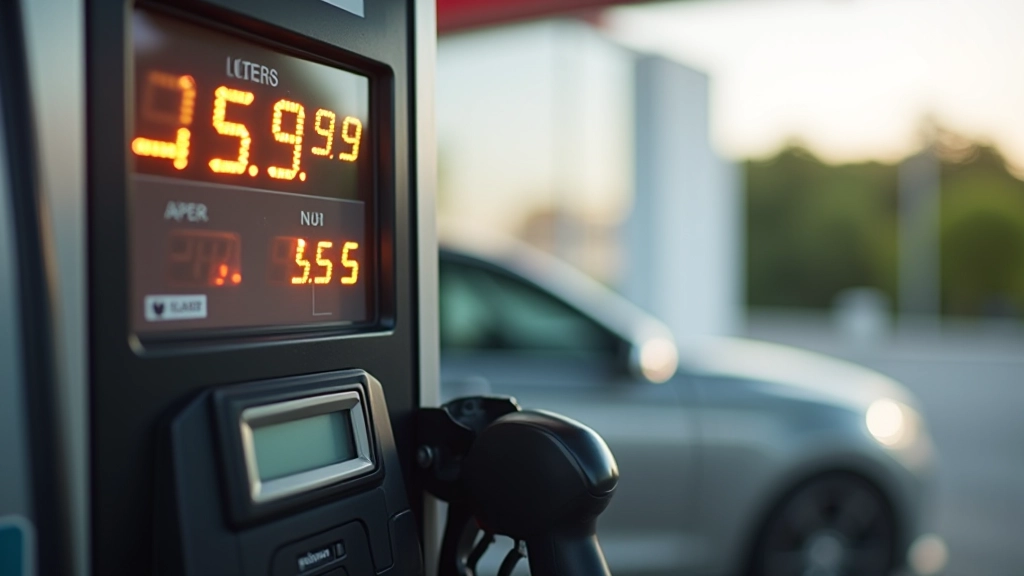
Fuel’s probably one of your biggest car expenses. Whether you’re commuting to KL from the Klang Valley or driving daily around Shah Alam, you’ll want to know exactly what you’re spending each month. The good news? It’s not complicated. You just need the right numbers and a realistic picture of your driving habits.
Most Malaysian drivers don’t track fuel properly — they just fill up when the tank gets low and hope it’s enough. But without a budget, you’re flying blind. Fuel prices fluctuate. Your driving patterns change with the seasons. And if you don’t plan ahead, you’ll find yourself short on cash faster than you’d think.
Quick Facts About Malaysian Fuel
- RON95 prices updated monthly by government
- Average sedan uses 6-8L per 100km
- Highway driving is 20-30% more efficient
- City traffic can increase consumption by 40%
The Basic Formula That Works
Here’s what you need to calculate your monthly fuel budget: your car’s fuel consumption rate, how many kilometers you drive monthly, and the current fuel price. That’s it. Three numbers.
Let’s say your car averages 7 liters per 100 kilometers. You drive 1,500 km monthly. RON95 is currently RM2.05 per liter. Your calculation would be: (1,500 100) 7 RM2.05 = RM214.75. That’s your monthly fuel cost.
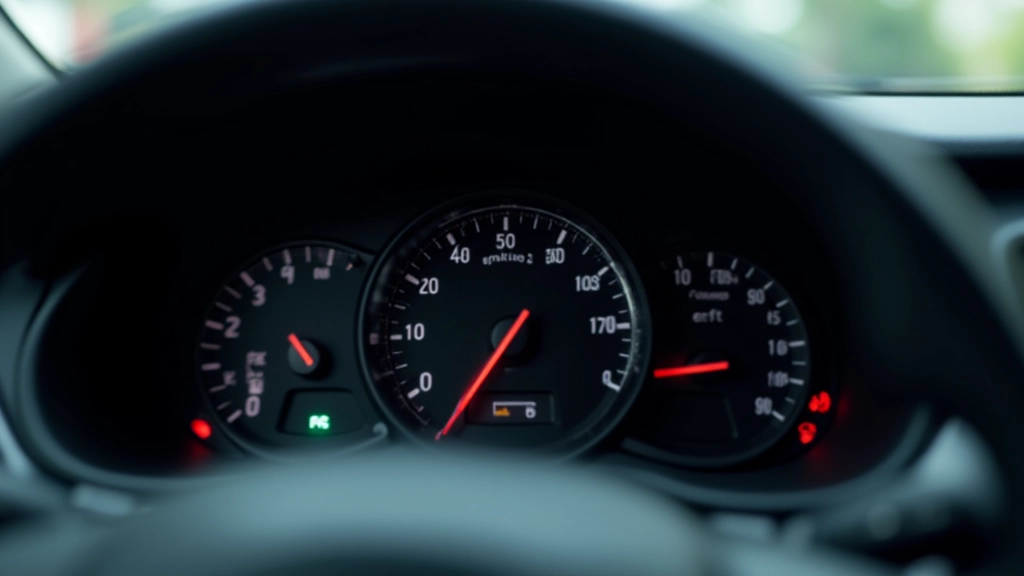
The tricky part? Most drivers don’t know their exact fuel consumption. You’ll need to calculate it yourself. Fill your tank completely. Drive normally. When you refill, note how many liters you added and how far you drove. Do this over 3-4 fill-ups to get an average.
Tracking Your Actual Spending
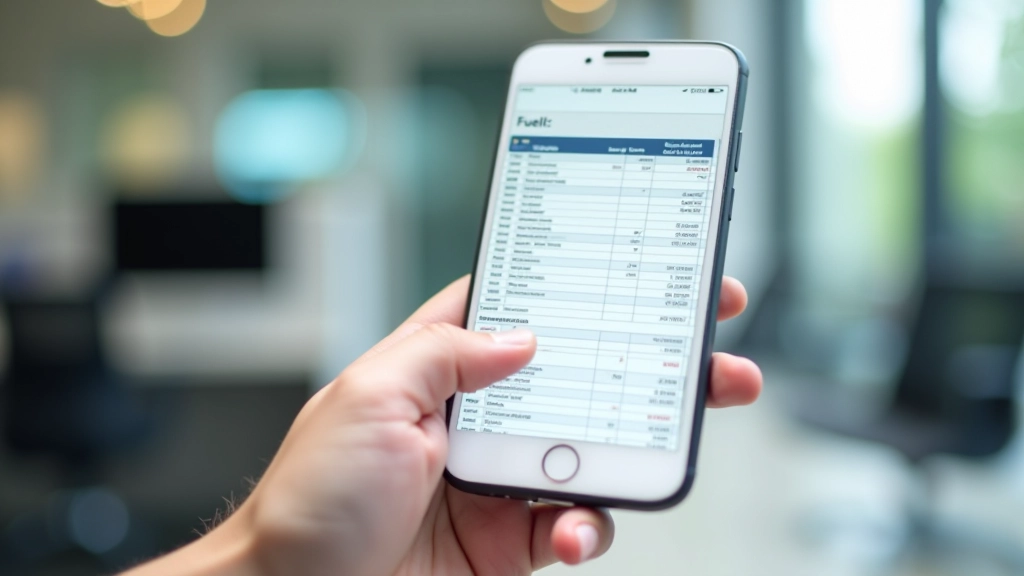
Once you know your consumption rate, start tracking. You don’t need anything fancy — a spreadsheet works perfectly. Just record the date, kilometers driven, liters purchased, and total cost. After a month, you’ll have real data.
Here’s why tracking matters: your estimate might say RM215, but reality could be RM180 in low-traffic months or RM250 during heavy congestion seasons. Traffic patterns shift. Weather changes affect consumption. Your driving habits vary week to week. Tracking shows you these patterns.
Most drivers find that city driving in the Klang Valley costs significantly more than they expected. Stop-and-start traffic, traffic lights, and crawling through jam means your engine’s working harder but moving less distance. That’s expensive fuel-wise.
Ways to Improve Fuel Efficiency
Drive Smoothly
Aggressive acceleration and hard braking waste fuel. Smooth acceleration, maintaining steady speeds, and anticipating traffic saves 5-10% on consumption.
Check Tire Pressure
Under-inflated tires increase rolling resistance. Check your tire pressure monthly. Properly inflated tires can improve efficiency by 3-5%.
Maintain Your Car
Clean air filters, proper oil changes, and aligned wheels all affect efficiency. Regular maintenance prevents fuel-wasting mechanical problems.
Reduce Extra Weight
Every extra 50kg in your car reduces efficiency. Remove roof racks and unnecessary cargo. Keep your trunk clean.
Plan Your Route
Highway driving is 20-30% more efficient than city streets. When possible, avoid peak traffic hours. Less time stuck in jam means less fuel wasted.
Use AC Wisely
Air conditioning increases fuel consumption by 10-15%. In Malaysia’s heat, you’ll use it anyway, but opening windows at lower speeds helps.
Building Your Monthly Budget
Once you’ve tracked actual spending for 3-4 months, you’ll spot patterns. Some months cost more — maybe you drove extra for family visits or business trips. Some months are cheaper. Take your highest month and use that as your budget baseline. It’s better to overestimate and have leftover money than to come up short.
Here’s a realistic scenario: you’re a Kuala Lumpur based commuter driving to Petaling Jaya daily. That’s roughly 1,800 km monthly. Your car uses 7L per 100km. Current fuel price is RM2.10. Your monthly cost is around RM265. Add 15% buffer for price fluctuations and unexpected trips — budget RM305.
Calculate Your Base Cost
Use the formula: (monthly km 100) fuel consumption current price
Add a Buffer
Increase by 10-20% for price changes and unexpected trips
Track Monthly
Record actual spending and compare to your budget
Adjust Quarterly
Update based on fuel price changes and your actual consumption data

Practical Tips for Daily Commuters
Monitor Fuel Price Trends
Prices change the first Wednesday of every month. Plan major trips before price hikes. Set phone reminders for price updates so you’re not caught off guard.
Carpool or Combine Trips
Sharing driving cuts your fuel costs in half. Even combining errands into one trip instead of multiple saves significantly. One trip to the mall, one to the market, one to work — plan them together when possible.
Use Premium Fuel Strategically
Most cars run fine on RON95. Unless your manual specifies RON97, stick with the cheaper option. You’ll save RM0.15-0.25 per liter — that’s RM15-25 monthly for average drivers.
Avoid Peak Congestion Hours
Leave 15 minutes earlier or later to miss the worst jam. Smooth highway driving at 80 km/h uses far less fuel than crawling through rush hour traffic. You’ll save money and time.
“I wasn’t tracking my fuel properly until I started writing down every fill-up. Turns out I was spending RM340 monthly, not the RM250 I thought. Once I knew the real number, I could actually plan. Changed my commute time to avoid jam, and now I’m back to RM280. The tracking made all the difference.”
— Amir, Kuala Lumpur commuter
Start Budgeting Your Fuel Today
Fuel budgeting isn’t about being stingy — it’s about knowing exactly where your money goes. With the formulas and tracking method above, you’ll have realistic numbers within a month. Most drivers who start tracking find they can save 10-20% by simply being aware and making small adjustments.
Download a spreadsheet template or use a simple notes app. Record your fill-ups. Check your odometer. In three months, you’ll have data that actually means something.
Disclaimer
This article provides educational information about fuel cost budgeting for personal planning purposes. Fuel consumption varies based on vehicle model, driving conditions, maintenance, and individual driving habits. The figures and calculations presented are examples based on typical Malaysian driving scenarios and should not be considered exact predictions for your specific situation. Always refer to your vehicle’s manual for accurate fuel consumption specifications. Fuel prices are subject to change monthly and may vary by location. For personalized financial advice regarding your vehicle budget, consult with a financial advisor or automotive specialist.
Related Articles